The Advantages of Combining Acrylic with Cardboard in Display Manufacturing
Discover how hybrid acrylic-cardboard displays deliver premium aesthetics, significant cost savings, and sustainable credentials in one powerful solution.
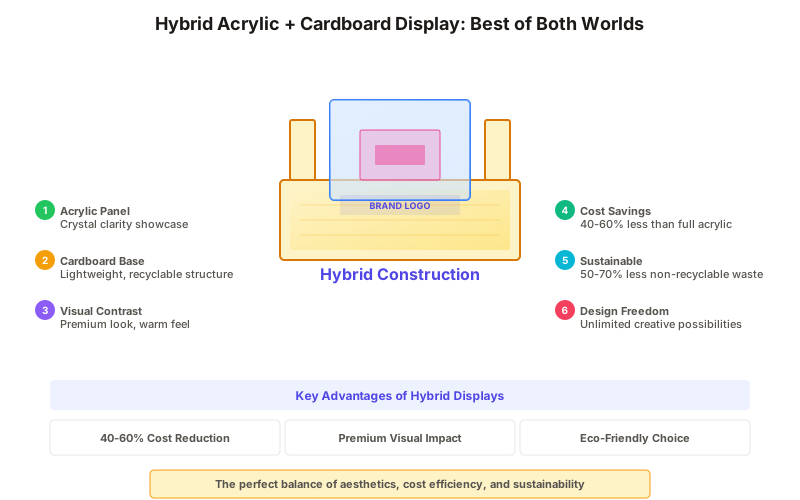
Hybrid acrylic-cardboard displays combine the best of both materials for retail excellence.
When it comes to retail display design, brands often face a dilemma: choose the premium look of acrylic or the cost efficiency and sustainability of cardboard? What if you could have both?
Hybrid displays that combine acrylic panels with cardboard foundations are emerging as a powerful solution for brands seeking the visual impact of acrylic at a fraction of the cost. This innovative approach merges structural clarity with material warmth, creating displays that stand out on the retail floor while remaining budget-friendly and environmentally responsible.
In this article, we explore the key advantages of combining acrylic with cardboard in display manufacturing, and why this hybrid approach might be the perfect choice for your next retail campaign.
1. Enhanced Visual Impact Through Contrast
One of the most compelling reasons to combine acrylic with cardboard is the striking visual contrast it creates. The crystal-clear transparency of acrylic paired with the natural texture of cardboard creates a sophisticated, multi-dimensional aesthetic that captures attention and elevates brand perception.
Premium Transparency
Acrylic panels showcase products with glass-like clarity while the cardboard base adds warmth and approachability.
Design Versatility
Layer transparent acrylic over printed cardboard for depth, dimension, and visual storytelling.
Retail Standout
The unique material combination makes displays memorable and shareable on social media.
2. Significant Cost Savings vs. Full Acrylic
Building an entire display from acrylic can be expensive—especially for large or complex designs. By using cardboard as the structural foundation and limiting acrylic to key visual panels, brands can achieve a premium look at 40-60% lower cost.
Cost Comparison: Full Acrylic vs. Hybrid
Strategic acrylic placement: Use acrylic only where it matters most—product showcases, brand logos, and key messaging areas—while relying on printed cardboard for structure and secondary graphics.
3. Lightweight Design for Easier Logistics
Acrylic is significantly heavier than cardboard, which increases shipping costs and makes in-store positioning more difficult. By replacing the structural cardboard base with cardboard rather than thick acrylic throughout, hybrid displays remain lightweight and easy to handle.
Reduced Shipping Costs
Cardboard-based displays can be flat-packed, dramatically reducing shipping volume and costs—savings that can be passed on to clients.
Faster In-Store Setup
Store staff appreciate lighter displays that are easy to lift, position, and assemble without specialized equipment or lengthy training.
Flexible Store Layouts
Lightweight displays are easier to reposition for seasonal changes, promotions, or store layout updates.
4. Sustainability Without Compromise
Brands are increasingly expected to demonstrate environmental responsibility. Hybrid displays offer a balanced approach to sustainability: the cardboard portions are recyclable, and by using less acrylic, the overall environmental footprint is reduced compared to full-acrylic alternatives.
Cardboard Component
- ✓100% recyclable through standard paper streams
- ✓Available with FSC certification
- ✓Biodegrades within 2-4 months if improperly discarded
- ✓Made from renewable materials
Acrylic Component
- •Highly durable and long-lasting
- •Recyclable at specialized facilities
- •Used sparingly reduces overall plastic usage
- •Can be reused across multiple campaigns
Result: A hybrid display typically generates 50-70% less non-recyclable waste than a full acrylic display of equivalent size.
5. Elevated Brand Perception
The combination of acrylic and cardboard signals a thoughtful brand that values both aesthetics and responsibility. This hybrid approach resonates with consumers who appreciate premium quality without excessive environmental impact.
| Brand Positioning | Why Hybrid Works |
|---|---|
| Premium Beauty & Cosmetics | Acrylic panels provide the crystal clarity that showcases products beautifully; cardboard base adds warmth. |
| Sustainable / Eco Brands | Visible sustainability commitment with acrylic used strategically, not excessively. |
| Tech & Electronics | Modern, innovative image through material experimentation; appeals to design-conscious consumers. |
| Food & Beverage | Premium perceived value with natural, approachable aesthetics that complement food products. |
| Fashion & Apparel | Unique tactile experience—customers can feel both the smooth acrylic and textured cardboard. |
6. Unlimited Design Possibilities
Combining two materials opens up creative possibilities that neither material can achieve alone. Designers can play with transparency levels, material contrast, and layered constructions to create truly unique displays.
Popular Hybrid Design Techniques
Acrylic windows over printed cardboard graphics
Tiered shelves with acrylic dividers
Acrylic product holder on cardboard stand
Modular acrylic clips on cardboard frame
Creative freedom: With hybrid construction, the only limit is your imagination. Our engineering team can bring virtually any design concept to life.
How Hybrid Displays Are Made
The combination of acrylic and cardboard requires careful engineering to ensure structural integrity and visual appeal. At QCPAPER-POP, our hybrid displays undergo a meticulous process:
Design & Engineering
Our designers create detailed specs for both acrylic panels and cardboard structure, ensuring proper fit and alignment.
Material Preparation
Acrylic sheets are precision-cut and polished; cardboard is die-cut, scored, and printed with brand graphics.
Assembly & Quality Control
Components are carefully assembled using concealed fixings. Each display undergoes rigorous quality inspection before shipping.
Ready to Create Your Hybrid Display?
Our team of display specialists can help you design and manufacture a hybrid acrylic-cardboard display that perfectly balances aesthetics, cost, and sustainability. Get in touch to discuss your next retail campaign.